

By Samuel Short
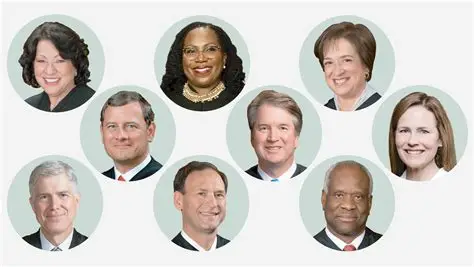
The Supreme Court declined to bring back a Biden administration immigration policy without a single justice saying otherwise.
It’s become a rarity for the court to speak with one voice, but they did so on the issue of administrative closure.
Tuesday saw the denial of an emergency request by Baltimore, Maryland; Columbus, Ohio; New Haven, Connecticut; and the organization Centro Legal de la Raza to reinstate an authority granted under former President Joe Biden to temporarily halt deportations in certain cases.
FedLaws.org explains what exactly administrative closure does.
“Administrative closure in immigration court is a procedural tool that temporarily removes a case from the court’s active hearing calendar without ending removal proceedings,” the site describes.
“While the case is closed, no hearings occur and the judge issues no decisions on the merits. The proceedings simply sit dormant until someone files a motion to put the case back on the calendar.”
In other words, it’s a way judges can clog deportation efforts.
The practice was barred as part of an agreement between the Trump administration and Texas filed on June 22 and approved by a judge the same day, according to Reuters.
The aforementioned parties tried arguing that the federal government and Texas improperly colluded to end the practice, but the court said otherwise in a one-sentence order without any explanation given.
Democracy Forward, a left-wing legal group, spoke on behalf of the litigants, venting their disappointment.
“Eliminating these protections puts vulnerable people at greater risk of deportation and undermines public safety in communities across the country,” the organization said.
“This dangerous abuse of the judicial process threatens the rule of law and sets a troubling precedent for dismantling federal policies without meaningful public participation or judicial scrutiny.”
Those who favor administrative closure say it lets judges clear immigration cases from their dockets, as they may want to do when one respondent has multiple cases pending involving matters that supposedly prevent deportation, such as a visa issue or an appeal of a conviction.
If you are slated for deportation, it should occur speedily. The practice allows judges to get around to it at their own pace — and should they be more concerned with judicial activism than the law, that could mean never.
The rule was adopted in 2024 under Biden, reversing an order under Trump’s first term.
U.S. District Judge Reed O’Connor in Wichita Falls, Texas, determined the Biden rule to be unlawful, a ruling that applies nationwide.
Reuters noted tens of thousands of cases where administrative closure was used going back years.
This is a win worth celebrating for anyone fed up with activist judges thwarting deportation — a measure that should not be politicized, as it is critical to the basic functions of government to police immigration.
For Trump, the stakes are high. He’s spent two years working diligently and only has two years left.
To completely undo the damage of an open border, this agenda needs to be enshrined in the Republican Party platform for future candidates and presidents.